
Retail
The retail industry is undergoing a profound transformation, driven by evolving purchasing behaviors, the growth of omnichannel, and the demand for increasingly seamless, personalized, and consistent experiences across physical and digital spaces. Today, stores are no longer just places of transaction, but ecosystems in which customer experience, operations, data, brand identity, and environmental quality must work together.
Le challenges of the sector.
-
Integration between physical and digital
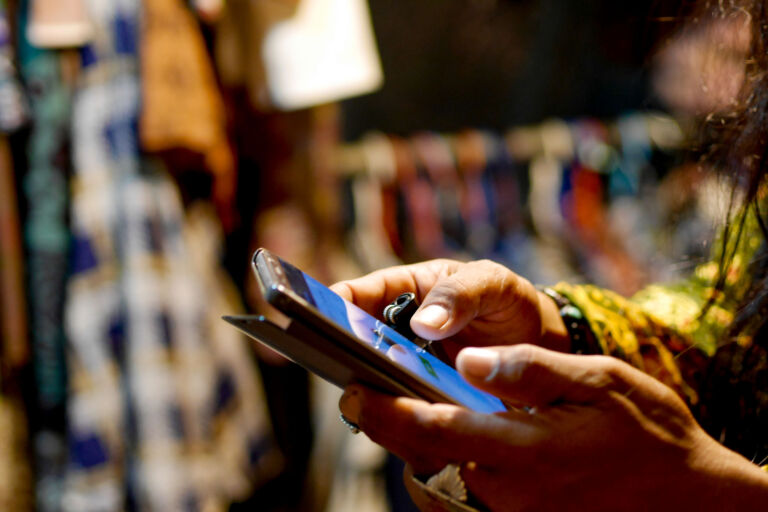
One of the main challenges of contemporary retail is building a seamless relationship between physical stores, e-commerce, apps, CRM, and digital touchpoints. System fragmentation creates operational inefficiencies and makes it more difficult to offer a truly consistent experience throughout the customer journey. -

Customer experience and personalization
Consumers expect faster, smoother, and more personalized shopping experiences, while also being more human and empathetic. Stores must therefore combine technology, service, and engagement, transforming the visit into a memorable and relevant experience. -

Operational complexity and flow management
Retailers must manage increasingly complex operations, including logistics, restocking, inventory accuracy, staff support, and in-store process flow. Improving flow analysis and reducing operational friction has become essential to increasing efficiency and profitability. -

Data visibility and analytics
The ability to collect and integrate customer, behavioral, and operational performance data is now crucial. Without a clear understanding of customer journeys, stops, interactions, and conversions, it's difficult to optimize layout, product assortment, and sales strategies. -

Branding, values and brand identity
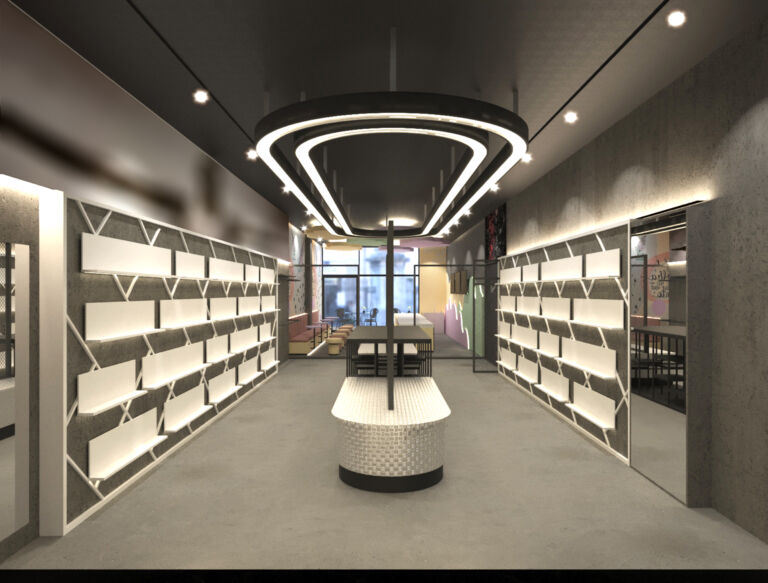
The store is increasingly a space for brand communication, not just sales. Design, lighting, content, and technology must reinforce identity, values, positioning, and recognition, making the store a tangible extension of the brand. -

Sustainability and efficiency
Sustainability has become a strategic driver for retail, both for value-driven and economic and operational reasons. Reducing waste, optimizing inventory, improving consumption, and communicating supply chain responsibility are now integral to competitiveness.




CUSTOM SOLUTIONS
We design unique experiences dedicated to each need.
Integrated omnichannel infrastructures
To overcome fragmentation, platforms and solutions are needed to connect physical and digital channels into a single ecosystem. The goal is to build continuity between stores, apps, e-commerce, and services, improving internal efficiency and customer experience.
- Integration between stores, platforms, and digital touchpoints.
- Continuity between physical and online experience.
- Greater consistency of the customer journey.
Experience and involvement
The store must become a space capable of retaining, orienting, and engaging customers. Interactive technologies, contextual content, digital services, and intelligent touchpoints help create a richer, more immersive, and more memorable experience.
- More engaging shopping experience.
- Integration between product, space and content.
- Greater perceived value of the point of sale.
Personalization of the experience
Data, AI, and intelligent systems enable the delivery of content, offers, and journeys that are more aligned with customer needs. Personalization improves conversions, loyalty, and the quality of the brand-consumer relationship.
- More relevant offers and services.
- More personalized customer journey.
- Greater engagement and loyalty.
Orientation and wayfinding
In department stores, malls, flagship stores, and complex retail environments, digital wayfinding improves the experience of spaces. Wayfinding and localization can guide customers to departments, products, promotions, and services, reducing search times and friction.
- Navigate to departments, categories, and services.
- Reducing in-store disorientation.
- Greater fluidity of purchasing paths.
Analytics and operational support
Collecting data on flows, stops, routes, and interactions helps retail managers and operations teams better understand visitor behavior and space performance. This allows them to optimize layout, staffing, promotional activities, and sales decisions.
- Useful data for understanding behaviors and performances.
- Layout, staffing, and promotion support.
- Faster, more informed decisions.
Efficiency and sustainability
Smart technologies can help retailers reduce waste, improve inventory accuracy, and increase process efficiency. This allows for more sustainable, efficient stores that better meet the expectations of modern consumers.
- Optimization of resources and inventory.
- Reduction of waste and inefficiencies.
- Greater operational and perceived sustainability.
Well-being and environmental quality
Environmental comfort is an increasingly important component of the retail experience, affecting dwell time, brand perception, and the quality of the visit. More welcoming, easy-to-read, and well-designed spaces foster a more positive relationship between people, products, and the environment.
- Greater comfort for customers and staff.
- A more welcoming and brand-consistent environment.
- More enjoyable and memorable experience.
Light and connectivity
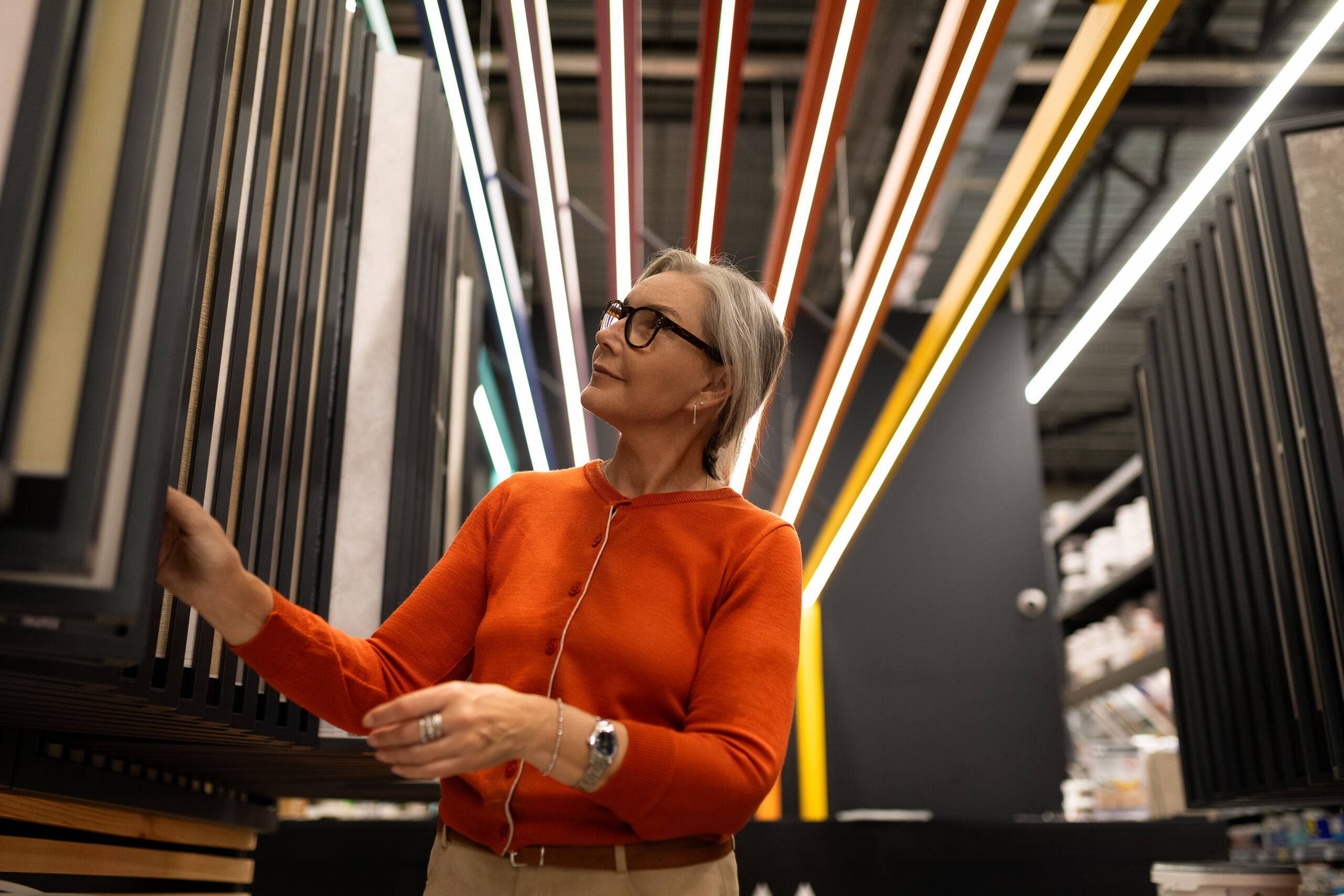
Lighting can become a strategic lever for both product enhancement and the well-being and identity of the space, while connectivity supports services, interactions, and omnichannel continuity. Together, these elements help make the store more efficient, more recognizable, and more integrated with the customer's digital behavior.
- Enhancement of the product and the visual experience.
- Support for digital services and omnichannel continuity.
- A smarter, more connected and distinctive retail space.
DISCOVER THE TECHNOLOGIES
When enlightenment becomes infrastructure.
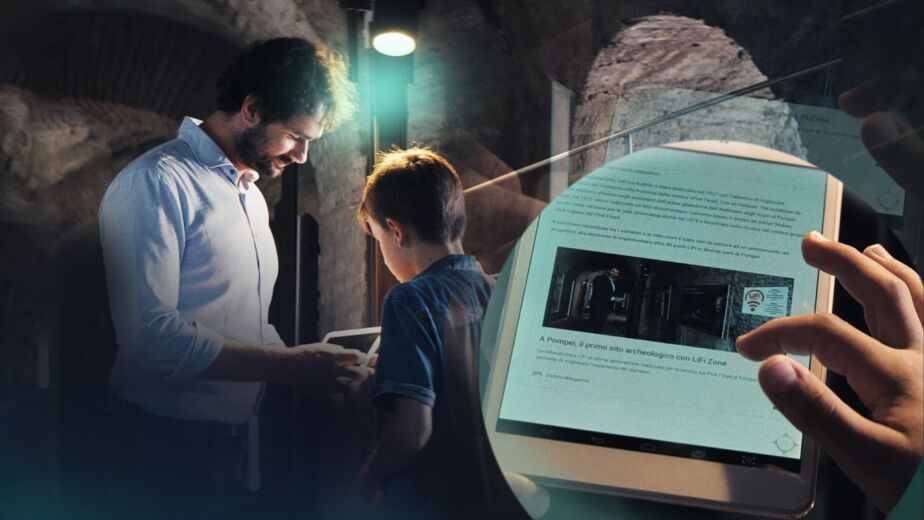
LiFi Geolocation & LiFi Zone App
Indoor system to make every lamp a source of information.
For new visitor experiences and flow management
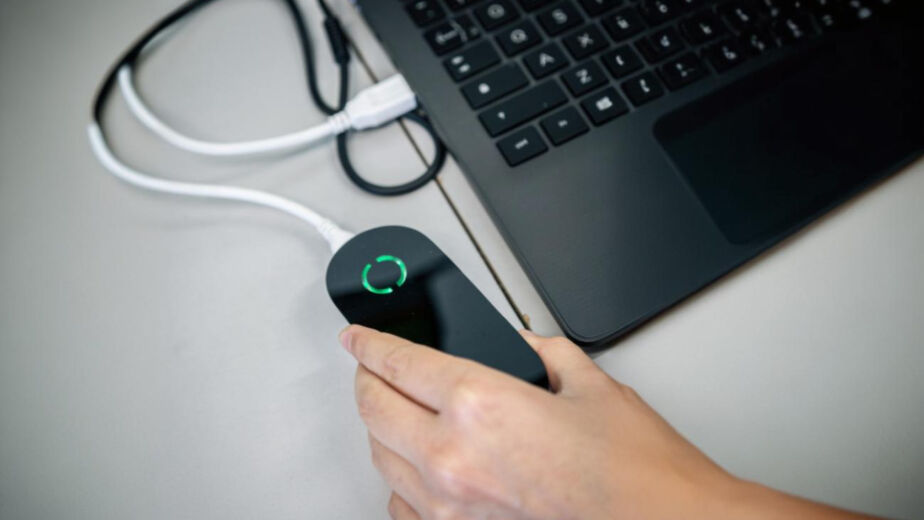
LiFi Surfing
Two-way infrared network connection system.
For sensitive areas.
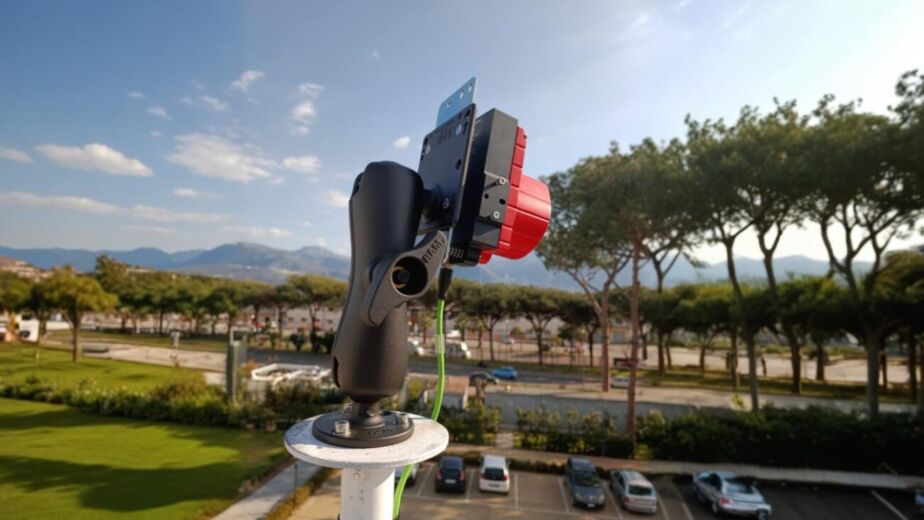
LiFi Point-to-Point
Point-to-point infrared communication system, usable both indoors and outdoors.
For sensitive areas.
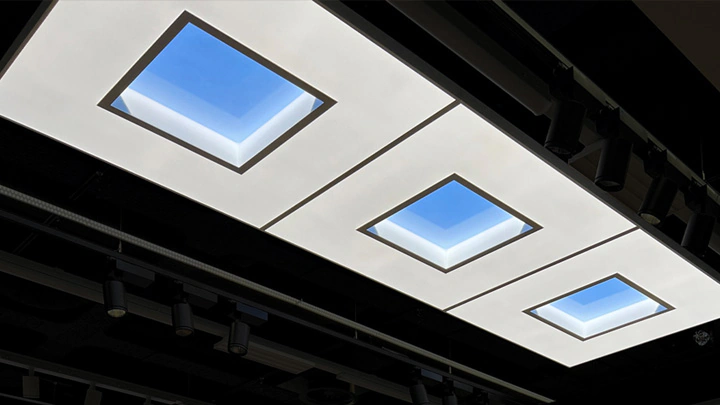
Natural light
Circadian lighting.
For the well-being and functionality of patients and staff.
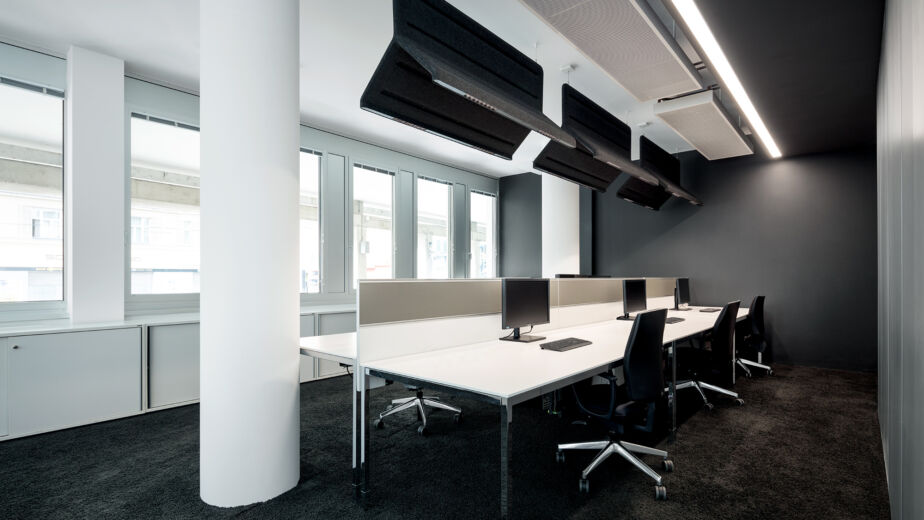
Light & Sound Absorption
Lighting with integrated sound insulators.
For well-being and privacy.
Architectural Light
Direct control and management of lighting.
Hospital facades, structures to enhance the brand and help with orientation.
BMS Systems
Direct control and management of lighting.
For customization of areas and beds and smart space management.
INDUSTRY CASE HISTORY
Phygital Experience:
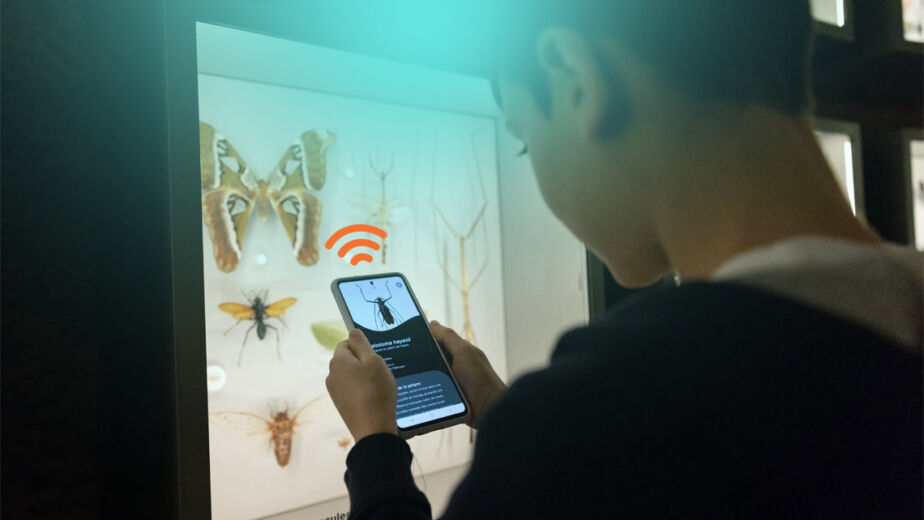
Proximity Marketing and Analytics.
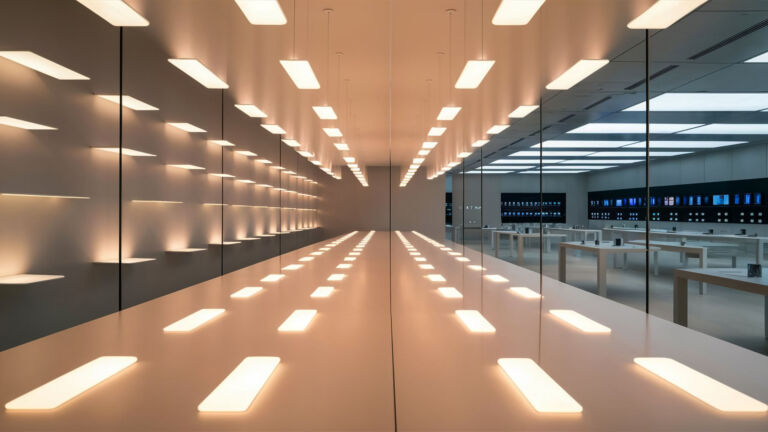
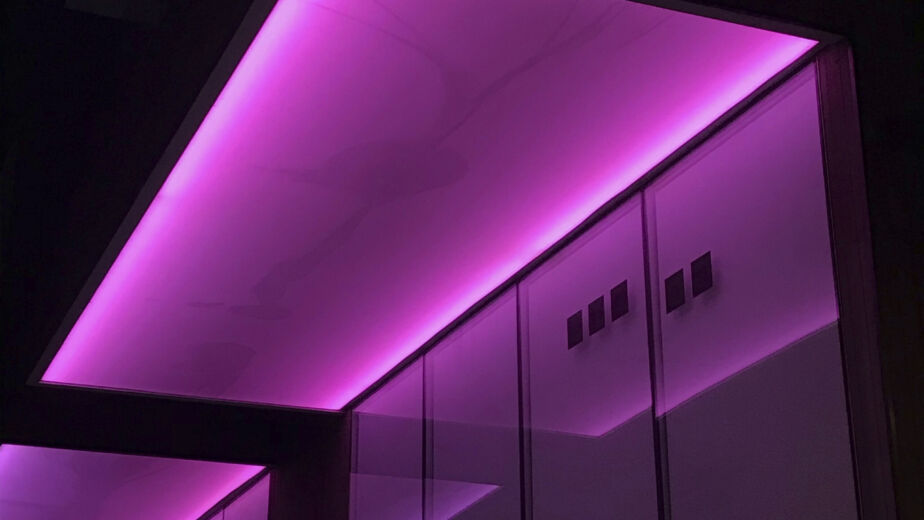
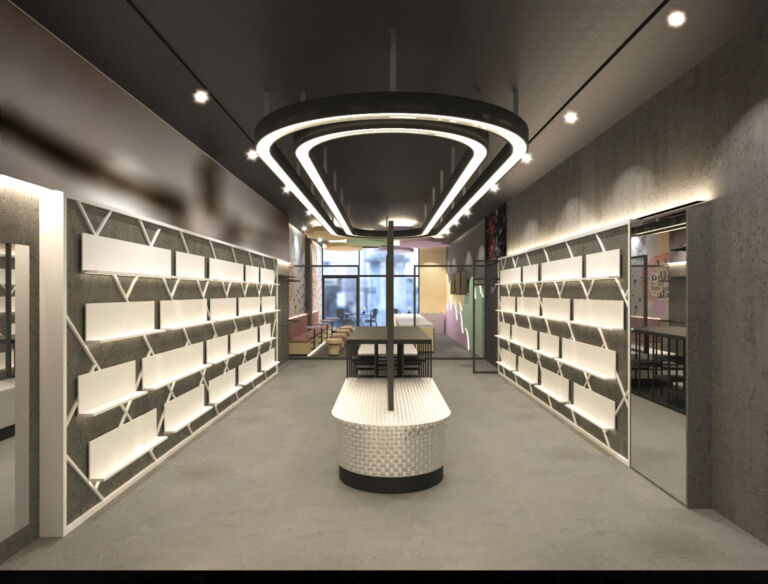
We create customized lighting atmospheres to enhance the brand and products, also using innovative 3D printing solutions for a unique and sustainable design.
The Added Value
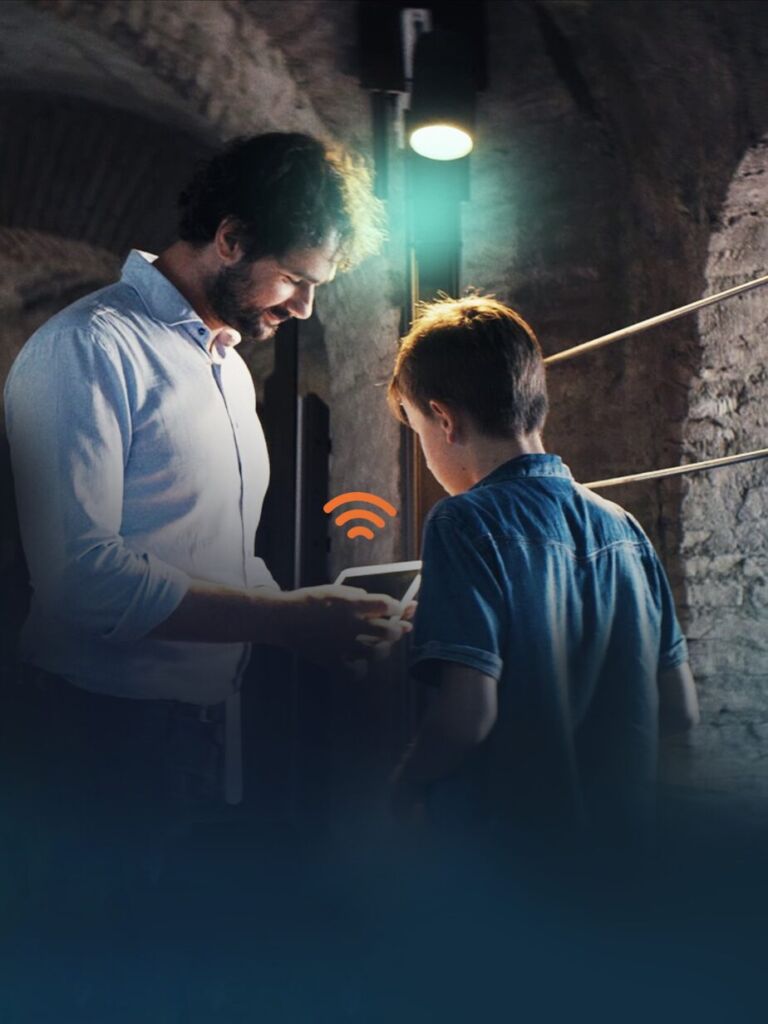
We transform stores into intelligent spaces capable of analyzing the customer journey with an accuracy of less than 30 cm. Using light, we deliver personalized promotions in real time, increasing engagement and collecting strategic data on visitor flows.