
Educational

The education sector is undergoing a profound transformation, driven by the digitalization of teaching, the demand for more inclusive environments, and the need to offer more flexible, engaging, and personalized learning experiences. Today, schools, universities, campuses, and training centers require ecosystems capable of coherently integrating spaces, technologies, content, and services, improving not only learning but also the daily well-being of students, faculty, and staff.

Le challenges of the sector.

  • TO-BE-Digital

    Digitalization of teaching

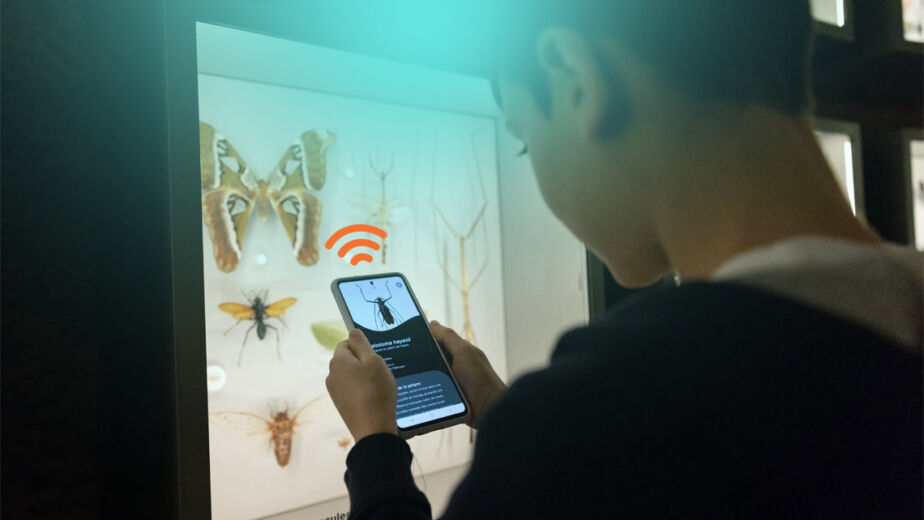
    One of the sector's key challenges is truly integrating digital into educational processes, going beyond the simple introduction of devices or platforms. Transformation requires environments capable of connecting teaching, services, tools, and internal management in a seamless relationship between the physical and digital.
  • TO-BE-Handicap

    Inclusion and accessibility

    Educational institutions must ensure learning experiences that are accessible, understandable, and usable by students with diverse needs, abilities, and learning styles. Inclusion therefore concerns not only content, but also the spaces, pathways, interfaces, and services that accompany school and university life.
  • TO-BE-Personalization

    Route customization

    The traditional educational model struggles to respond to increasingly diverse learning profiles. Therefore, there is a growing need to develop more adaptive learning paths, where content, time, tools, and environments can support more tailored learning experiences.
  • TO-BE-Localization

    Orientation and use of spaces

    In complex schools, campuses, university centers, and complex locations, quick and intuitive orientation is a real necessity. Difficulty finding classrooms, laboratories, administration offices, libraries, or services impacts the overall quality of the experience and the flow of daily life.
  • TO-BE-ISO-9001

    Support for teachers and management teams

    Educational transformation also requires strong organizational support. Teachers, managers, technical and administrative staff need tools that streamline processes, analyze data, coordinate activities, and make faster and more informed decisions.
  • TO-BE-Branding

    Well-being and environmental quality

    Well-being is now a central component of the educational experience. The quality of light, visual comfort, digital management, the balance between attention and cognitive fatigue, and the quality of time spent in classrooms directly impact learning, motivation, and the quality of relationships.
  • TO-BE-Leedewell

    Efficiency and sustainability of environments

    Educational spaces must be more efficient, adaptable, and sustainable. Intelligent management of classrooms, laboratories, and services optimizes resources, improves comfort, and supports more contemporary, dynamic, and responsible teaching.
CUSTOM SOLUTIONS

We design unique experiences dedicated to each need.

1

Integrated digital infrastructures

Addressing digitalization requires platforms and tools that connect spaces, services, and content into a single ecosystem. The goal is to improve the continuity between the physical and digital experience, making the school or campus easier to use and more efficient to manage.

  • Integration between spaces, services and platforms.
  • Better continuity between physical and digital.
  • More advanced management of the educational experience.

Accessibility and inclusion

To meet the challenge of inclusion, educational environments must offer more accessible tools and interfaces, easy-to-read learning paths, and more accessible content. This helps create a more equitable experience, where every student can navigate, understand, and participate with greater autonomy.

  • More accessible routes and information.
  • Better usability for students with diverse needs.
  • A more inclusive and democratic experience.
2
1

Personalization of the experience

Educational technologies enable more flexible and customized learning paths, adapting content, services, and learning methods to users' needs. Space can also contribute to this personalization, offering more dynamic environments and more targeted interactions.

  • More adaptive and personalized paths.
  • Increased student engagement.
  • Teaching more consistent with different learning styles.

Orientation and wayfinding

A digital wayfinding solution helps students, faculty, and visitors navigate campuses and complex facilities more easily. Wayfinding and localization improve the clarity of spaces and reduce disorientation in the institution's daily life.

  • Navigate to classrooms, offices, and services.
  • Reduced search times.
  • Greater fluidity in the use of spaces.
2
1

Analytics and team support

Dashboards, data collection, and analytics tools help managers, faculty, and staff better understand usage, challenges, and opportunities. This allows them to make more informed decisions about managing spaces, services, and the overall learning experience.

  • Useful data for environmental governance.
  • Support for organizational decisions.
  • Better management of spaces, flows and services.

Multimedia integration and immersive environments

Contemporary learning increasingly requires interactive environments, dynamic content, and tools that actively engage students. Multimedia and immersive solutions expand teaching methods and make the educational experience more participatory and memorable.

  • Interactive and multi-level content.
  • More immersive learning experiences.
  • Greater involvement and participation.
2
1

Environmental well-being

Educational spaces must support not only learning, but also the daily well-being of students and teachers. The quality of the indoor environment impacts attention, comfort, fatigue, and the overall quality of the classroom experience.

  • More comfortable and supportive environments.
  • Reduction of cognitive and visual fatigue.
  • Greater quality of stay in educational spaces.

Circadian light

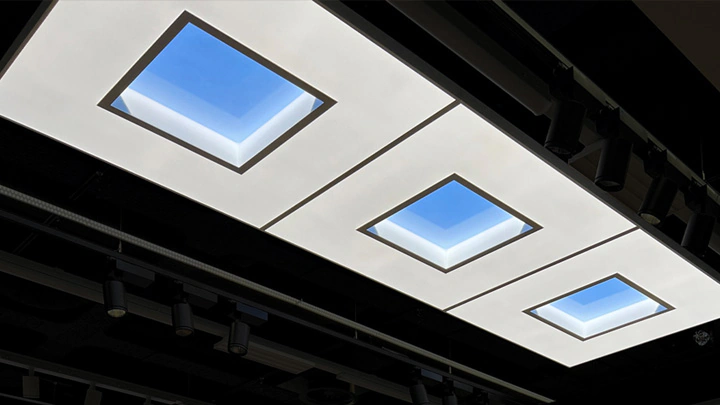
Circadian or biodynamic lighting represents a concrete lever for improving well-being, concentration, and the quality of the learning experience. Systems that modulate intensity and color temperature throughout the day can support biological rhythms, promote attention during study sessions, and enhance different moments, from analytical activities to creative work.

  • Circadian rhythm support for students and teachers.
  • Improved concentration, attention and visual comfort.
  • Adaptive lighting based on teaching activities.
2
1

Connectivity

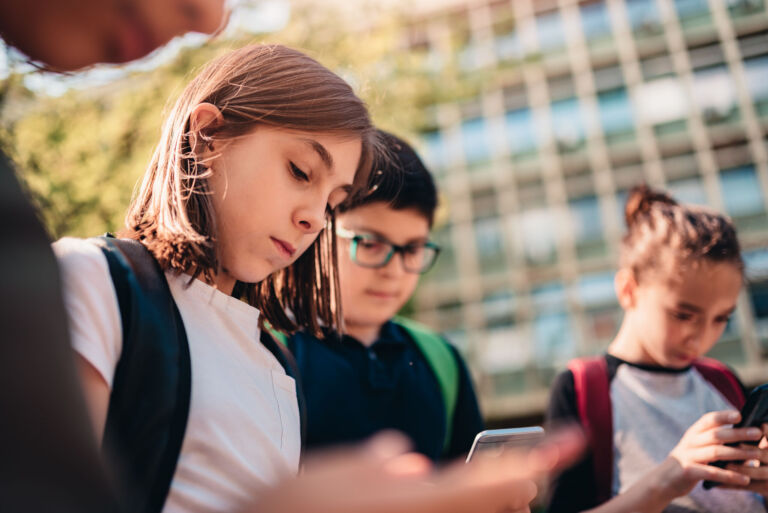
Stable, widespread, and well-integrated connectivity is an essential part of contemporary educational well-being, enabling continuity across content, devices, platforms, and environments. In a connected learning ecosystem, students and teachers can more easily access resources, collaborative tools, and digital services, directly impacting the quality of the learning experience.

  • Seamless access to digital content and services.
  • Greater continuity between classrooms, platforms, and devices.
  • Support for collaborative and hybrid teaching.

DISCOVER THE TECHNOLOGIES

When enlightenment becomes infrastructure.

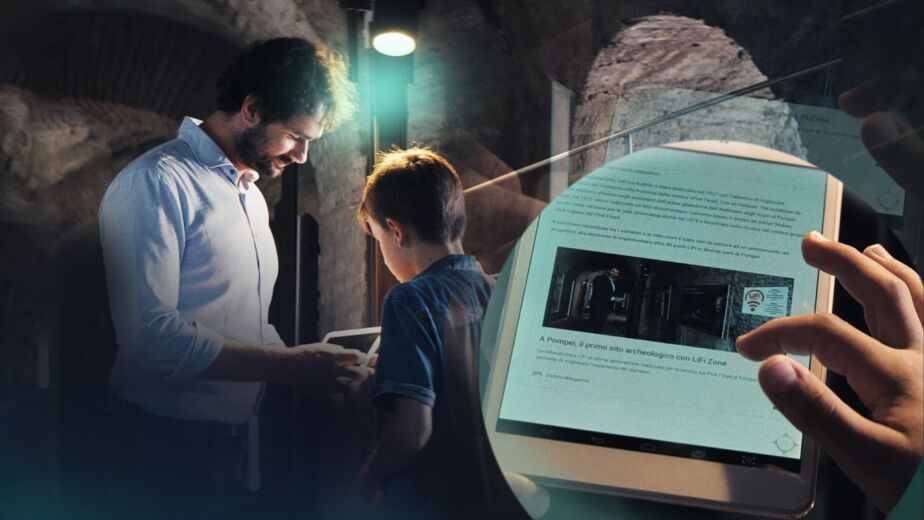
LiFi Geolocation & LiFi Zone App

Indoor system to make every lamp a source of information.

For new visitor experiences and flow management

LiFi Surfing

Two-way infrared network connection system.

For sensitive areas.

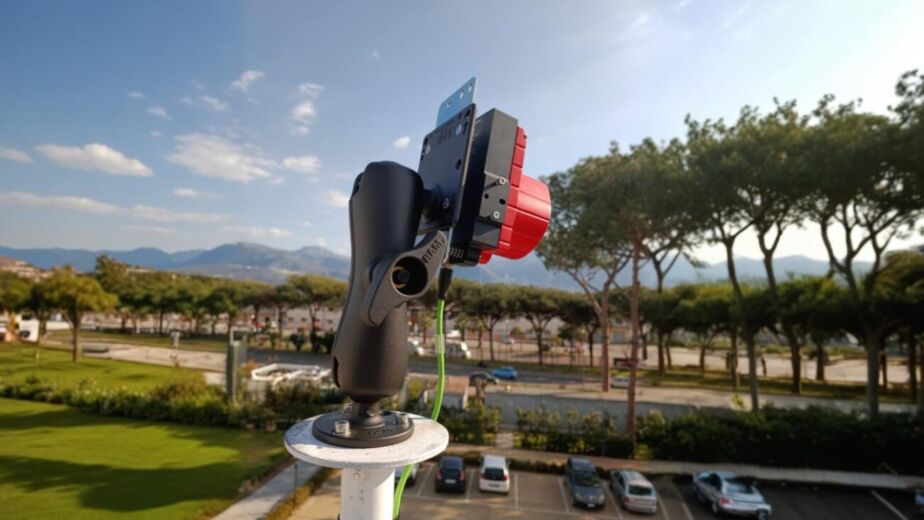
LiFi Point-to-Point

Point-to-point infrared communication system, usable both indoors and outdoors.

For sensitive areas.

Natural light

Circadian lighting.

For the well-being and functionality of patients and staff.

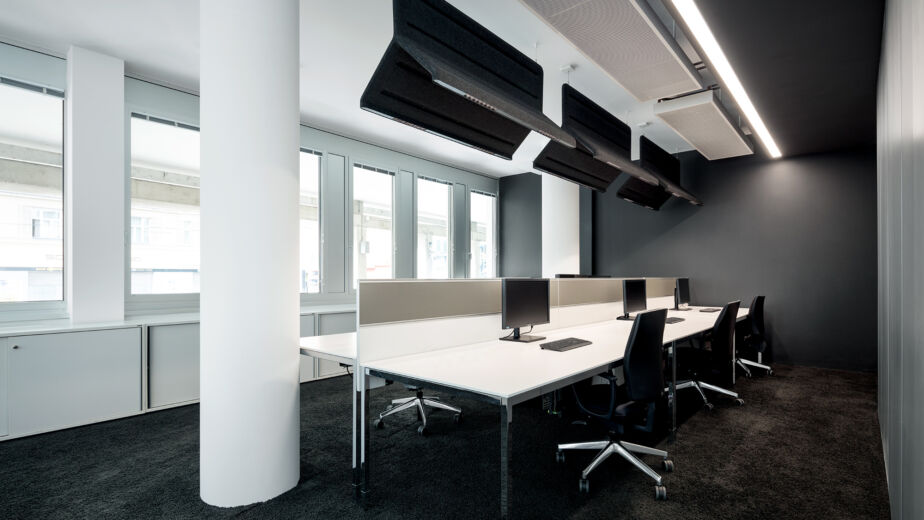
Light & Sound Absorption

Lighting with integrated sound insulators.

For well-being and privacy.

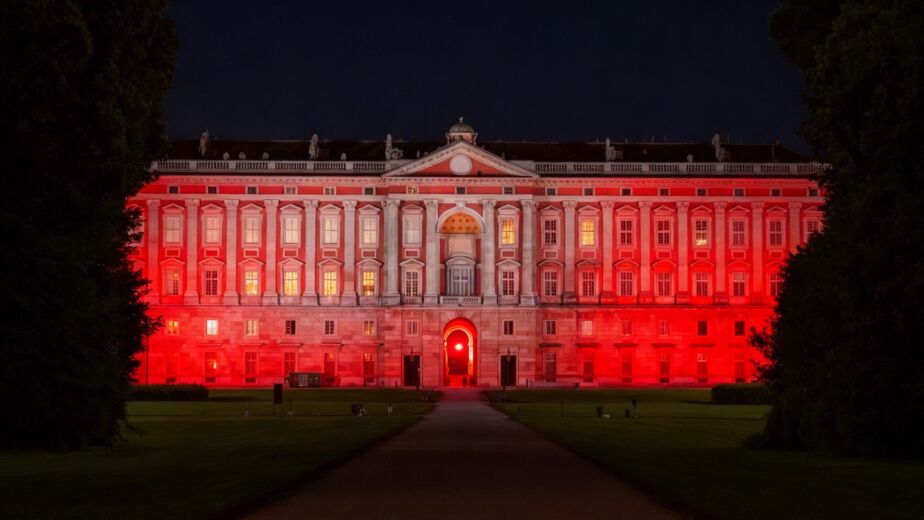
Architectural Light

Direct control and management of lighting.

Hospital facades, structures to enhance the brand and help with orientation.

BMS Systems

Direct control and management of lighting.

For customization of areas and beds and smart space management.

INDUSTRY CASE HISTORY

Connected schools and zero emissions.

Classroom lighting must promote concentration and protect health. Our solutions guarantee the highest quality, flicker-free, and perfectly distributed light.

The Added Value

We bring LiFi Surfing to schools : lightning-fast connectivity that eliminates exposure to radio waves (Zero Electrosmog). We create healthy, sustainable, and technologically advanced learning environments, ideal for school 4.0.