
Hospitality

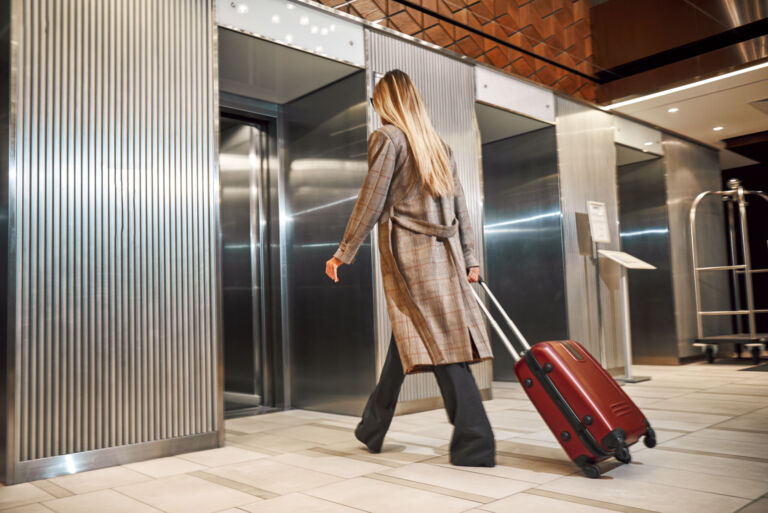
The hospitality sector is rapidly evolving toward models in which welcome, operational efficiency, personalization, and experience quality must coexist seamlessly. Today, hotels, resorts, accommodation facilities, and hospitality businesses need ecosystems capable of integrating spaces, services, data, and technologies in order to improve the guest journey and strengthen competitiveness, reputation, and perceived value.

The industry challenges.

  • TO-BE-Human-Centric

    Customer experience and personalization

    One of the main challenges in contemporary hospitality is delivering an increasingly seamless, consistent, and personalized experience at every stage of the stay, from booking to post-stay. Guest expectations have risen, and every touchpoint contributes directly to satisfaction, online reputation, and the likelihood of return visits.
  • TO-BE-ISO-9001

    Operational efficiency and staff shortages

    Many properties must manage the combination of staff shortages, increased operational workloads, and the need to maintain high service standards. This makes it essential to rethink processes, automate certain functions, and better support internal teams.
  • TO-BE-Digital

    Service digitalization

    Hospitality now requires digital tools capable of simplifying booking, check-in, access to services, communication, and internal management. The challenge is not only to adopt technology, but to integrate it harmoniously into the guest experience without losing relational quality.
  • TO-BE-Localizzazione

    Orientation and use of spaces

    In complex hotels, resorts, conference venues, or articulated hospitality destinations, being able to navigate easily and intuitively is an integral part of the experience. Difficulties in reaching rooms, spas, meeting rooms, restaurants, or common areas create friction and reduce the perceived quality of the stay.
  • TO-BE-Branding

    Reputation, branding, and identity

    Hospitality spaces are now also a brand storytelling tool. Design, atmosphere, content, services, and environmental quality must build an experience consistent with the property’s positioning and the values it aims to convey.
  • TO-BE-Interoperabilità

    Sustainability and cost control

    Accommodation facilities must address both rising operating costs and growing attention to sustainability, energy efficiency, and environmental responsibility. Resource optimization is no longer just a managerial necessity, but also a component of the property’s reputation and attractiveness.
  • TO-BE-Leedewell

    Well-being and environmental comfort

    Perceived guest well-being is now a decisive competitive factor. Lighting, comfort, space quality, fluidity of the experience, and the ability to reduce stress and friction directly affect overall guest satisfaction.
Tailored solutions

We design unique experiences tailored to every need.

1

Integrated digital ecosystems

To respond to service digitalization, platforms and tools are needed that can connect booking, reception, access to services, operations, and communication. The goal is to build a continuous experience between front-end and back-end, improving both internal workflows and the guest’s perception.

  • Continuity between booking, stay, and services.
  • Greater integration between front office and operations.
  • A smoother experience for both guests and staff.

Experience and engagement

Hospitality spaces should accompany guests along a clear, pleasant, and memorable journey. Digital solutions, intelligent touchpoints, and contextual content help make the experience more welcoming, interactive, and aligned with the property’s positioning.

  • A more engaging guest journey.
  • Greater perceived value during the stay.
  • A stronger relationship between guest and property.
2
1

Personalization of the experience

Data, digital services, and intelligent tools make it possible to tailor the experience to the needs of each individual guest. This improves satisfaction, loyalty, and the property’s ability to provide a more relevant and distinctive service.

  • Services more aligned with guest needs.
  • Greater loyalty and repeat visits.
  • A more tailored and distinctive experience.

Orientation and wayfinding

Digital wayfinding systems can help guests reach rooms, meeting spaces, restaurants, spas, and services in a simple and intuitive way. This reduces friction, improves spatial readability, and eases the informational burden on staff.

  • Navigation to rooms, services, and common areas.
  • Reduced disorientation.
  • Greater fluidity in internal movement.
2
1

Analytics and team support

Dashboards, data, and analytics tools help management and staff better understand usage, flows, critical issues, and guest behaviors. This makes it possible to manage spaces, services, timing, and resources more effectively.

  • Useful data to optimize operations and services.
  • Support for management decisions.
  • Greater control over flows and performance.

Operational efficiency and automation

To address staff shortages and cost pressures, properties need tools that simplify repetitive processes and improve operational coordination. Automation and centralized management help free up time, reduce errors, and maintain high service quality.

  • Reduction of repetitive manual activities.
  • Maggiore efficienza interna.
  • Greater internal efficiency.Concrete support for staff work.
2
1

Well-being and environmental quality

Environmental comfort is an integral part of hospitality quality. More legible, welcoming, and well-designed spaces improve the stay, increase satisfaction, and strengthen the property’s premium perception.

  • Greater comfort for guests and staff.
  • A more relaxing and harmonious experience.
  • Better perception of the space and the brand.

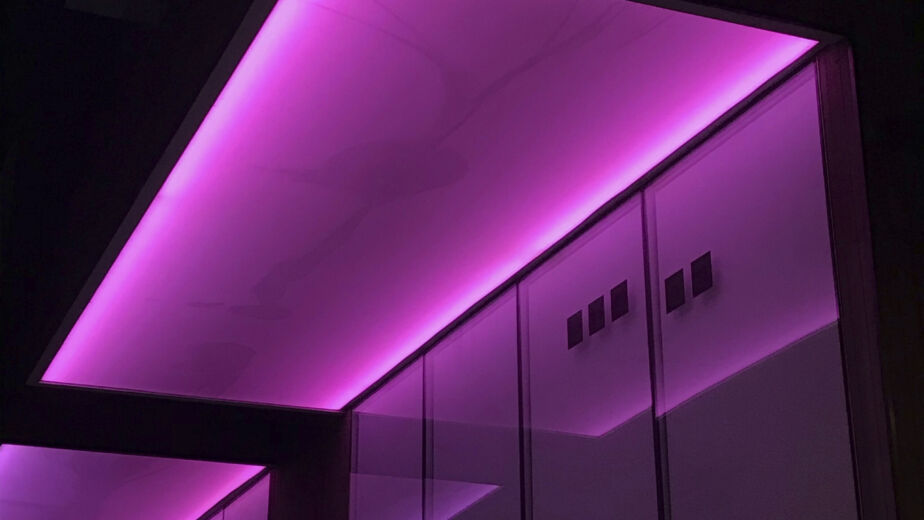
Lighting and connectivity

Lighting can become a strategic lever to build atmosphere, well-being, and identity, while connectivity supports digital services, guest relationships, and continuity of experience. Together, these elements help make the property more efficient, more recognizable, and more aligned with the expectations of the contemporary traveler.

  • An atmosphere more consistent with the property’s positioning.
  • Support for smart services and digital interactions.
  • A smoother, more connected, and more distinctive hospitality experience.
2

Discover the technologies

When lighting becomes infrastructure.

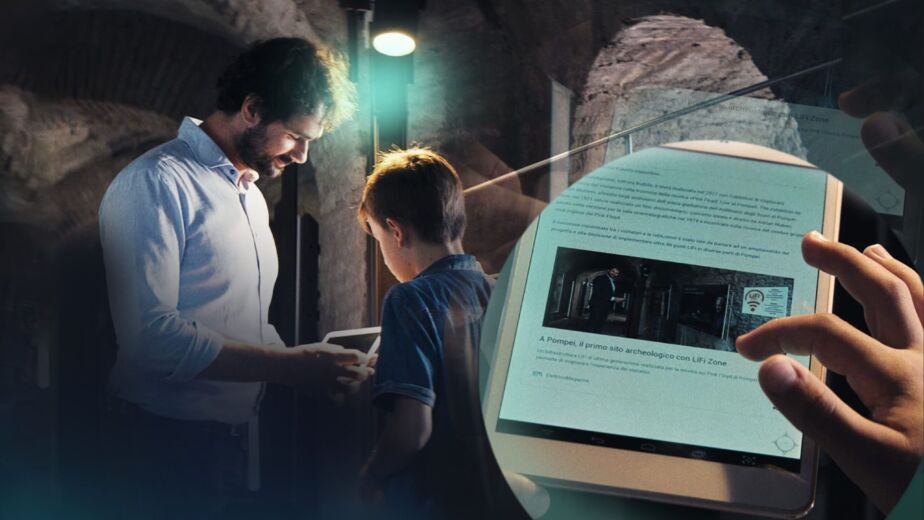
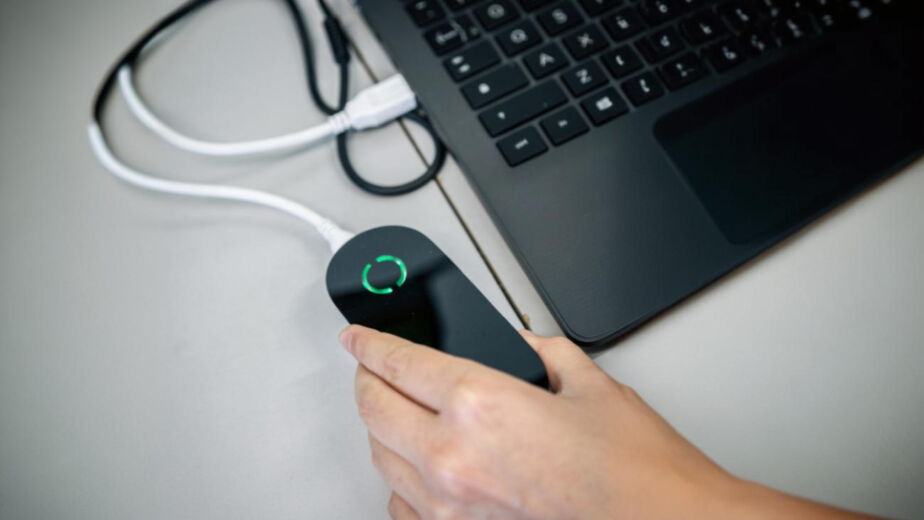
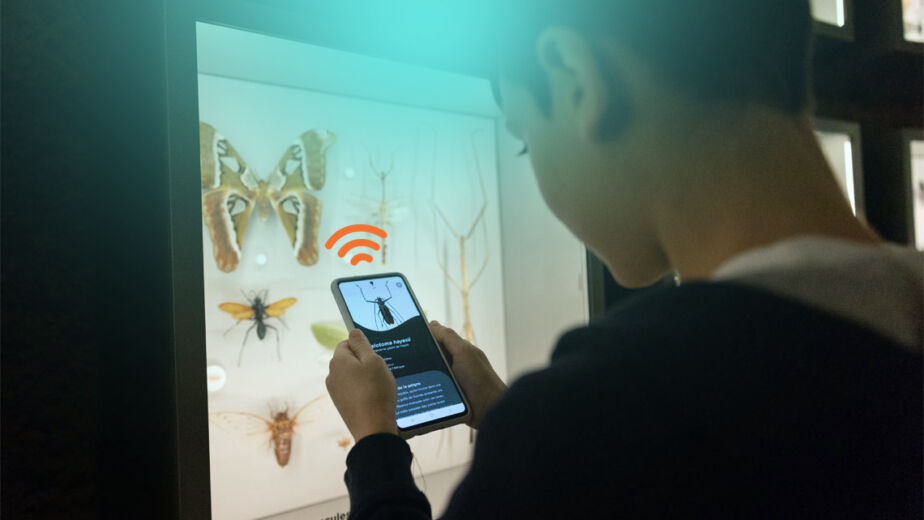
LiFi Geolocation

Turn every light fixture into an information source.

For enhanced visitor experiences and flow management

LiFi Surfing

Bidirectional network connection system via infrared.

For sensitive areas.

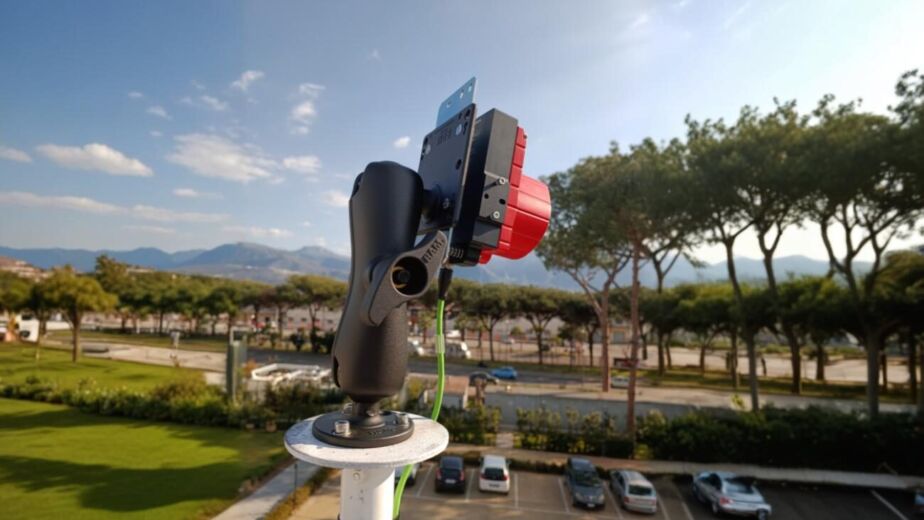
LiFi Point-to-Point

Point-to-point communication system via infrared, usable both indoors and outdoors, without wiring.

For sensitive areas.

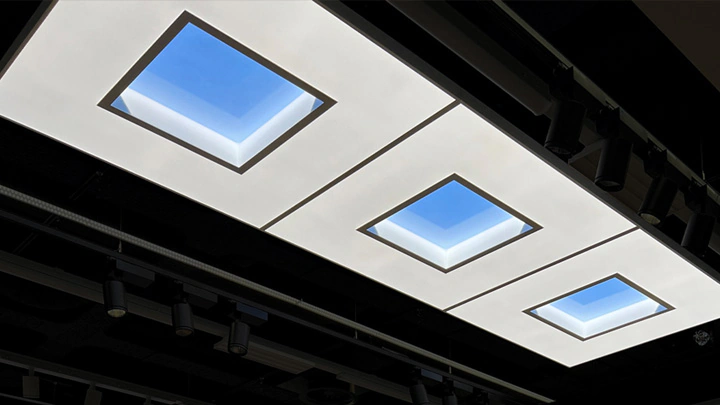
Natural Light

Circadian lighting.

For the well-being and performance of patients and staff.

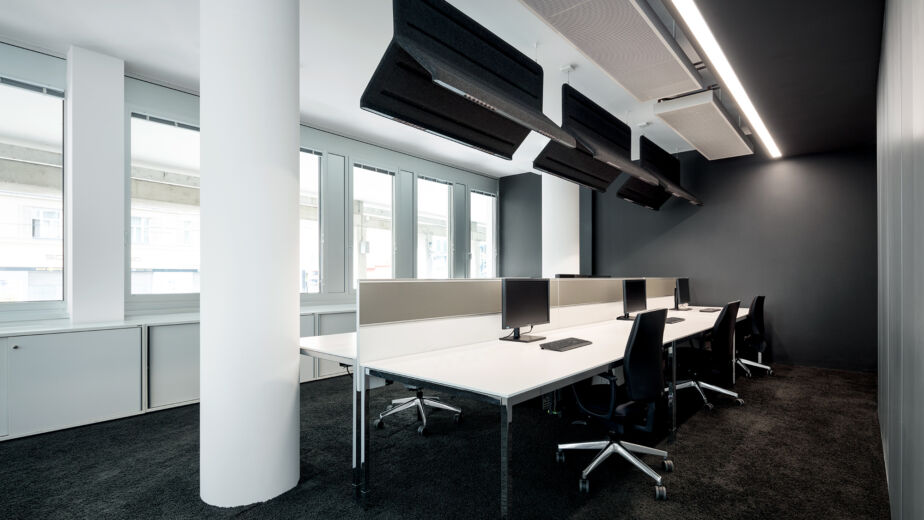
Sound-Absorbing Design

Lighting with integrated acoustic insulation.

For comfort and privacy.

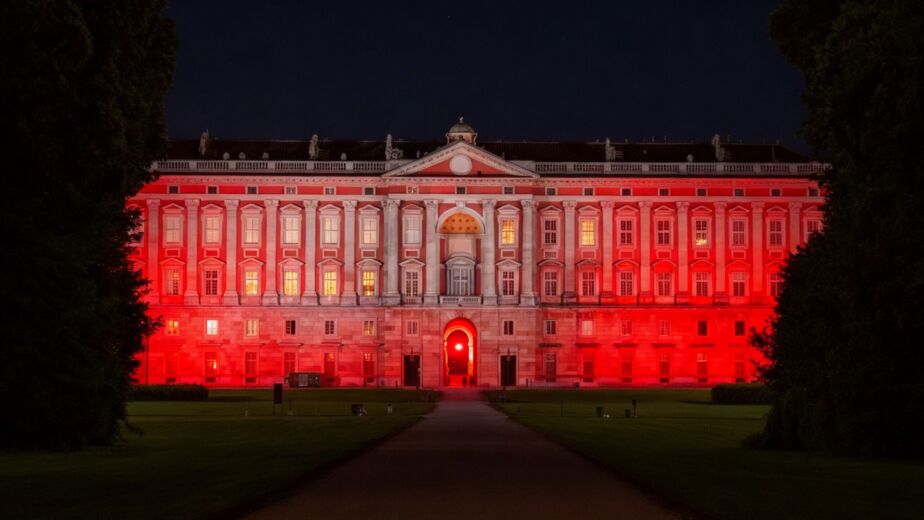
Architectural Lighting

Impactful lighting scenarios for both indoor and outdoor spaces.

Hospital façades and facilities to enhance branding and support wayfinding.

BMS Systems

Impactful lighting scenarios for both indoor and outdoor spaces.

For personalized areas and beds, and smart space management.